

Do Hair Extensions Damage Your Hair? What Reduces the Risk
In short: Hair extensions can damage hair when they are fitted too tightly, worn too long, or too heavy for the hair underneath, but appropriate fitting, manageable weight and timely removal may help reduce the risk; they cannot guarantee a damage-free result. Everyone naturally sheds 50 to 100 hairs a day, which can look dramatic at removal even when nothing abnormal happened.
- Main risk factor
- Tight or heavy fitting
- Daily natural shedding
- 50-100 hairs
- Warning sign
- Pain or headache at fitting
- Lower-tension option
- Depends on fit and weight
Hair Extensions Can Damage Hair: How to Reduce the Risk
Hair extensions can damage natural hair when they are fitted too tightly, worn too long, or too heavy for the hair underneath, but appropriate fitting and timely removal may help reduce the risk. This guide looks plainly at hair extensions and hair damage: what raises the risk, what lowers it, and what no supplier, including us, can promise.
Skilled fitting, a manageable weight and timely removal can help reduce strain, but lasting damage is still possible. Problems are usually linked to inexperienced fitting, overdue removal, excess tension or hair that was already weak before fitting.
We do not hold our own clinical test data on this, so this guide sticks to general, well-known facts and states plainly what we cannot promise.
What generally affects hair health with extensions?
Everyone sheds roughly 50 to 100 hairs a day. With extensions in, those hairs often stay trapped in the bonds, tape or wefts instead of falling out in the shower, so removal day can look dramatic even when nothing abnormal happened.
A genuinely large amount of hair loss, visible thinning or a bald patch is different from normal shedding. Dermatology bodies list extensions and weaves among the hairstyles that can cause traction alopecia, hair loss from repeated pulling AAD. Attachment of extensions is named as a common trigger, alongside tight ponytails and braids BAD.
Several other factors decide whether extensions put real strain on your hair, rather than natural shedding. Common risk factors mentioned by stylists and hair-loss communities:
| Risk factor | Why it matters |
|---|---|
| Fine or already fragile hair | Fewer natural hairs support each bond |
| Bleached hair | Weaker strand, more prone to breakage |
| Installs that are too tight or heavy | Adds tension the hair cannot support |
| Wearing past the recommended time | Bonds slip and pull as hair grows |
| Combining harsh treatments together | Relaxing, heat styling and fitting at once raises risk BAD |
Hormonal changes, rapid weight loss, thyroid issues or low iron can also cause shedding around the same time, so it is worth ruling these out rather than assuming extensions are the only cause.

How can you reduce the risk of damage?
If early signs appear, acting quickly matters more than waiting for a scheduled appointment.
- Choosing an experienced, specialist stylist to fit and remove a hair extension set lowers the risk of damage compared with a home fitting done without that experience.
- Keeping adhesive or bonds away from the hairline reduces the chance of scalp irritation at that fragile hairline area.
- Using gentle, water-based styling products on the hairline, and limiting heat styling tools on that same hairline area, helps prevent breakage along the fragile edge.
- Removing a hair extension set on time, instead of leaving it in past the recommended wear period, lowers the risk of tension damage to natural hair.
- Avoiding fresh bleaching, heavy heat styling and a new extension install all within the same short period lowers the risk of combined stress on the hair.
- If a large amount of hair loss appears after an extension set is fitted, having the set removed promptly by a stylist, rather than waiting for the scheduled appointment, is the safer choice.
Many people use a non-tension style between sets to let the scalp rest. A clip-in set is a common choice because nothing is bonded to the hair. A halo is another option some stylists suggest for the same reason.
If you want to compare 100 g sets by weight and length before deciding, current prices for every set are listed in the shop.

What can't we promise?
We cannot promise that any extension method, including ours, causes no damage or is gentle on hair in every single case. No supplier can honestly promise that, because the outcome depends on your own hair, the stylist's skill and how the set is maintained.
We also cannot give a medical opinion. If hair loss continues or does not slow after removal, see a doctor or dermatologist, since causes outside extensions are possible, and catching the problem early matters for regrowth.
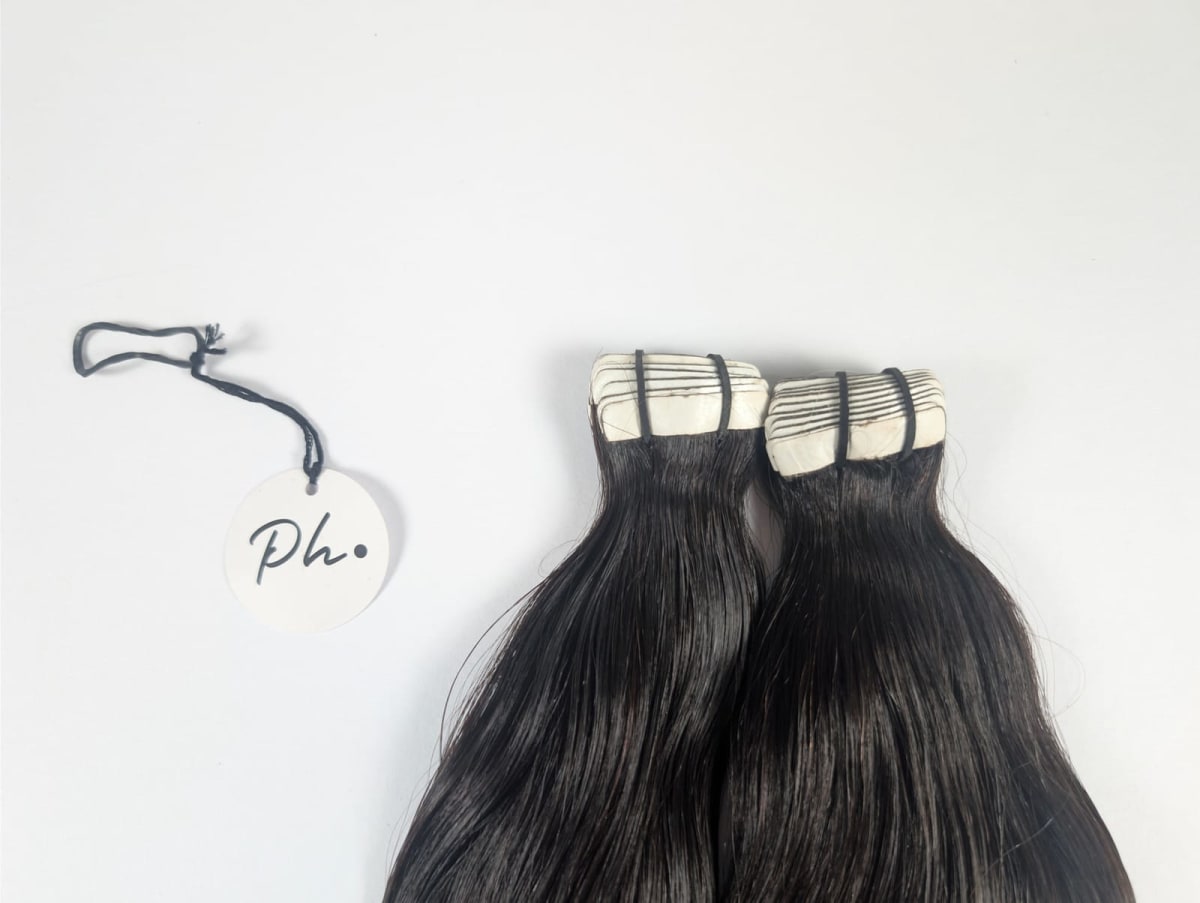
Our hair is double drawn, cuticle aligned and 100% natural human hair with no short, coloured or grey hair mixed in. These are quality facts about the hair itself, not a promise about damage.
What should you do next?
If you are considering extensions, start with a stylist consultation about weight, placement and your current hair condition rather than choosing a method online alone.
For aftercare once a set is fitted, our hair extensions care guide covers day-to-day handling.
When you are ready to compare sets by weight and length, current prices for every length are already listed in the shop link above.
Prominente Haare cannot promise a damage-free result, but choosing an experienced stylist, the right weight and timely removal are the three factors most consistently linked to lower risk.
For the meaning of Remy and double drawn, read our hair quality guide and check the specifications of the piece you are considering.
See it in the shop.
Prominente Haare – Hair that lasts longer.
Frequently asked questions
Will hair extensions damage my hair?
Yes, if they are fitted too tightly, worn too long, or too heavy for the hair underneath. Appropriate fitting, manageable weight and timely removal may help reduce risk, but cannot guarantee a damage-free result.
Why does hair loss look worse on the day extensions are removed?
Everyone sheds roughly 50 to 100 hairs a day. With extensions in, those hairs often stay trapped in the bonds, tape or wefts instead of falling out gradually, so removal day can look dramatic even when nothing abnormal happened.
What are the warning signs that an extension install is too tight?
Pain or a headache felt during or after a fitting is a warning sign that the install is too tight, and a stylist should loosen it promptly.
How can you reduce the risk of damage from extensions?
Choosing an experienced stylist, fitting a weight your own hair can support, keeping bonds away from the hairline, and removing the set on time are the factors most consistently linked to lower risk.
Can Prominente Haare guarantee extensions won't damage my hair?
No. No supplier, including us, can honestly promise that, because the outcome depends on your own hair, the stylist's skill and how the set is maintained.
Last updated: 26 October 2026