


Best Hair Extensions Compared: Which Type Fits You?
In short: Clip-in and halo extensions need no bonding and suit occasional wear; flat tip and tape-in give a semi-permanent, everyday finish; wefts suit full, custom sew-in styles. All start from €199-€229 per 100 g set at 45 cm, with 50 cm and 60 cm costing more, and all use Temple Remy, double drawn, single-donor human hair.
- Clip-in from (45 cm)
- €229
- Flat tip (keratin) from (45 cm)
- €199
- Halo from (45 cm)
- €229
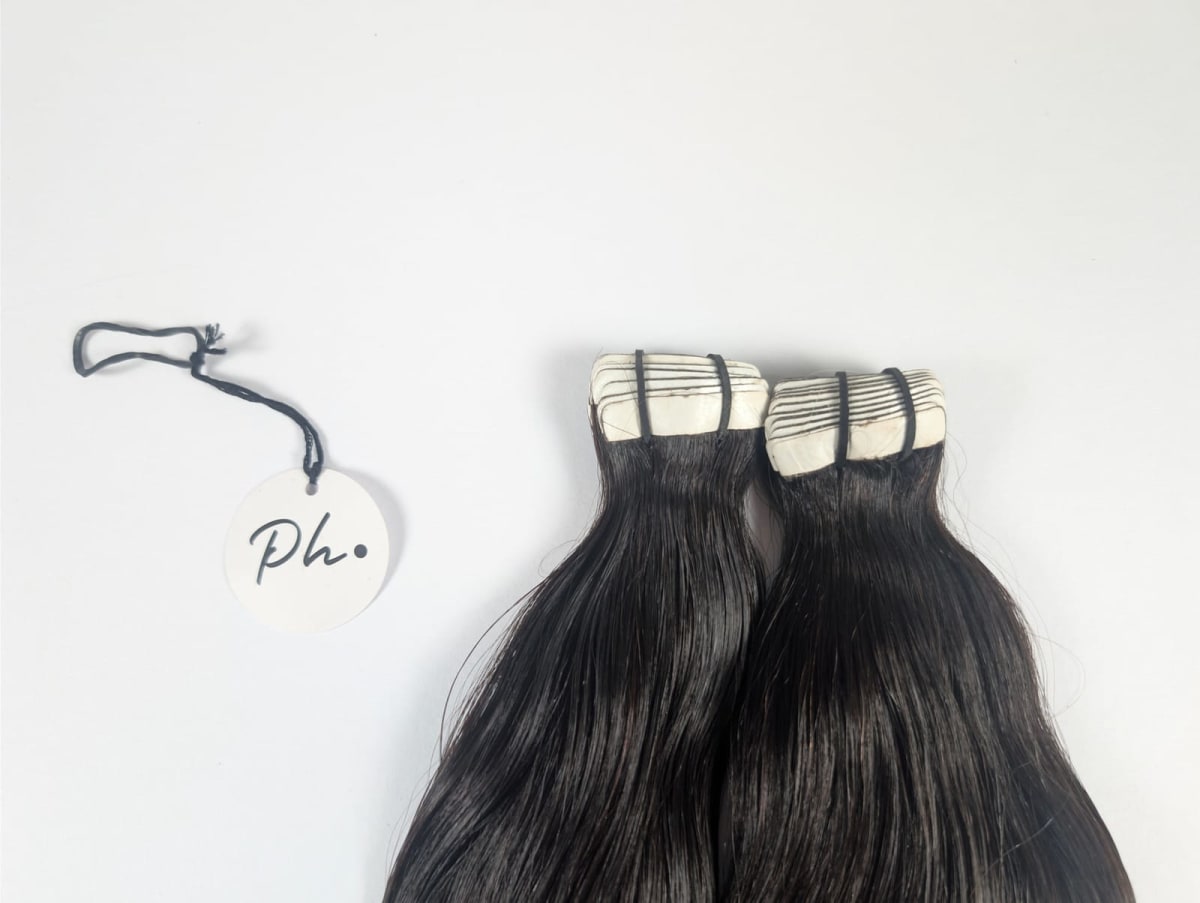
- Tape-in from (45 cm)
- €209
Which hair extension method suits you best?
The right method depends on your hair type, routine and budget. Clip-in and halo suit occasional wear with no bonding. Flat tip and tape-in give a semi-permanent, everyday look. Wefts suit full, custom sew-in styles.
Lifestyle matters as much as hair type. If you swim, train or change your style often, a no-bond method like clip-in or halo keeps things simple. If you want one steady look for weeks, a bonded method like flat tip or tape-in, or a sewn weft, removes the daily routine.
If you want the best quality or the best human hair extensions, the method matters less than the hair grade behind it. Prominente Haare works only with Temple Remy, double drawn, single-donor hair across every method below. That consistency is also what makes it a solid base for remy hair extensions, whichever application you choose.
Across the five methods compared here, the main differences are attachment, maintenance and starting price. Hair quality stays the same, since every set uses the same premium grade. Current prices for every option are shown in the shop.
How do the five extension methods compare at a glance?
Hair extensions generally split into two materials. Synthetic hair is cheaper but can't be heat-styled. Human hair costs more and behaves like your own hair. Every method below uses 100% human hair.
The table below shows how clip-in, flat tip, halo, tape-in and weft extensions compare for attachment, best use and starting price, so it can stand on its own as a quick reference.
Manufacturing also affects price. Clip-ins and halo extensions cost more to produce than a classic weft, because they need extra labour plus fabric and clips, or a wire for halo. That difference shows in the table below.
Length and weight change the price too. A 100 g set at 45 cm costs less than the same weight at 50 cm or 60 cm, in every method, because longer hair needs more raw material.
| Method | Attachment | Best for | From price (100 g, 45 cm)* |
|---|---|---|---|
| Clip-in | One piece, no wire, clips on and off daily | Occasional wear, short hair, no commitment | from €229 |
| Flat tip (keratin) | Keratin-bonded strands | Fine or textured hair wanting a natural root | from €199 |
| Halo | Adjustable wire plus clips, no bonding | Quick volume, avoiding glue near the scalp | from €229 |
| Tape-in | Thin tape wefts sandwiched on natural hair | Straighter hair wanting a flat, everyday finish | from €209 |
| Weft | Sewn or clipped-in wefts | Full, custom sew-in styles | from €199 |
*EUR base price per 100 g set at 45 cm. 50 cm and 60 cm cost more at every method. Check the shop for your exact length, your local price is shown at checkout.
If budget leads the decision, flat tip and weft currently start lowest, at €199 per 100 g set (45 cm). Clip-in and halo start at €229. Tape-in starts at €209. All prices rise with length.

When does each method fit best for your hair type and lifestyle?
Clip-in extensions suit short hair and first-time wearers chasing length or volume for one event. They clip in and out in minutes, with no bonding or heat involved.
Flat tip (keratin) extensions suit fine or coarser hair wanting a flat, natural-looking root for weeks at a time. Each strand is keratin-bonded.
Halo extensions suit anyone avoiding glue, tape or heat near the scalp. They sit on an adjustable wire with clips for extra hold, so there's no bonding step at all.
Tape-in extensions suit straighter, smoother hair. Thicker, more textured hair often suits a sew-in style better, which is where weft extensions come in for fuller or curlier hair.
Busy professionals who travel often pick tape-in or flat tip, for a low-maintenance, weeks-long look. Anyone building a special-occasion style for one weekend usually reaches for clip-in or halo instead.
This isn't about which method is fastest to fit or how long it lasts day to day. Your stylist is the best source for that, since results vary with your own hair and routine.

How should you choose the right method, step by step?
- Decide how long you want to wear extensions. One event suits clip-in or halo. Weeks at a time suits flat tip, tape-in or weft.
- Match the method to your hair. Short or fine hair often sits best with clip-in or tape-in at the root. Thicker, fuller hair can carry a full weft.
- Set a budget per 100 g set and pick your length. Price rises from 45 cm to 50 cm and 60 cm in every method.
- Get your shade matched. Colour matching at Prominente Haare is a manual service: send side photos and the team suggests a shade for you.
- Check the hair grade. Every method here uses Temple Remy, double drawn, single-donor hair, with no mixing of short hairs. Grade stays consistent whichever method you pick.
- Decide on upkeep. No-bond methods (clip-in, halo) need no fitting appointment. Bonded methods (flat tip, tape-in) and sewn wefts are usually fitted and removed by a stylist.
Ready to pick your method and length?
Once you know which method fits your hair, length and budget, you can shop the full range by method, length and weight. Current prices for every option are shown there at checkout.
Whichever method you choose, every set from Prominente Haare is Temple Remy, double drawn and single-donor human hair, built from root to tip without mixing. Single-donor, double drawn hair tends to blend more evenly from root to tip than mixed-source hair. That's part of why grade matters as much as method.
Aftercare also plays a part in keeping any method looking its best over time. A simple routine of gentle brushing and the right products goes a long way, whichever method you've chosen.

See it in the shop.
Prominente Haare – Hair that lasts longer.
Frequently asked questions
Which hair extensions work best for curly hair?
Wefts tend to suit curly hair best, since sew-in styles generally work better for thicker, more textured hair than flat tape wefts.
Which hair extensions are best for your own hair type?
It depends on texture and lifestyle. Clip-ins and halo suit occasional wear without bonding, flat tip and tape-in suit smoother hair wanting a semi-permanent everyday look, and wefts suit fuller or sew-in styles.
Which hair extension method is the best overall?
There isn't one best method for everyone, it depends on how long you want to wear extensions, your hair type and your budget. What stays constant across every method is the hair grade, Temple Remy, double drawn, single-donor human hair.
How much do hair extensions cost?
Prices for a 100 g set start from €199 (flat tip or weft) to €229 (clip-in or halo) at 45 cm, rising at 50 cm and 60 cm. Current prices for every length and method are shown in the shop, with your local price shown at checkout.
Can hair extensions damage your hair?
Fit matters, since extensions attach at the root. The American Academy of Dermatology notes that repeated pulling from extensions or weaves can cause traction alopecia, and advises loosening any style that feels too tight before it becomes permanent.
Last updated: 15 October 2026