


Do Hair Extensions Damage Hair?
In short: Extensions fitted and maintained correctly should not damage hair; most reported damage links to fitting, tension, wear time, or aftercare, not the extensions themselves. Everybody sheds roughly 50 to 100 hairs a day, and those trapped hairs can make removal day look dramatic even when nothing is wrong. No method, including ours, can promise a fixed lifespan or a damage-free outcome; results depend on your hair's condition, the fitting, and your aftercare.
- Daily shedding
- 50-100 hairs
- Main damage causes
- Fit, tension, wear time
- Fixed lifespan
- Not promised
- Low-tension options
- Halo, clip-ins
Short Answer: Do Hair Extensions Damage Hair?
Extensions fitted by a skilled stylist and maintained correctly should not damage natural hair, according to experienced salons. Most reported damage traces back to inexperienced fitting, wearing extensions past the recommended time, incorrect tension, or poor aftercare.
This is general, well-known guidance, not a tested claim about any specific product, including ours. We cannot promise a "no damage" or "gentle on hair" outcome for any individual head of hair. Results depend on your natural hair's condition, how the set is installed, and how it is cared for.
What Factors Influence Hair Health During Extension Wear?
Hair health with extensions mainly depends on fit, tension, wear time, and the condition of your natural hair going in. A few factors come up repeatedly when people describe extension-related hair loss:
- Shedding trapped in place. Everybody sheds roughly 50 to 100 hairs a day. With extensions in, those hairs stay caught in the bonds, tape or wefts instead of falling out gradually. Removal day can look alarming even when nothing is wrong.
- Tension and placement. Bonds placed too close to the scalp, installs that are too tight, or too much weight per section are frequently named risk factors.
- Hair condition going in. Fine, already fragile or over-bleached hair is more often mentioned as vulnerable.
- Wear time. Leaving a set in beyond the recommended period, or not moving bonds up as hair grows, is a common complaint pattern.
- Causes unrelated to extensions. Rapid weight loss, hormonal changes, thyroid issues, and iron or protein deficiency can cause shedding that looks similar to extension damage but isn't caused by it.
Opinion is genuinely split. Some stylists argue that well-fitted extensions rarely cause harm, and that bleaching, heat styling and poor maintenance do more damage overall. Many people with fine hair feel differently and avoid semi-permanent extensions for that reason. Both views are worth knowing before you decide.
How Can You Reduce the Risk?
There is no way to remove risk entirely, but these steps are commonly recommended:
- Have extensions fitted and removed by an experienced stylist, not yourself.
- Choose a method and weight that suits how much natural hair you have supporting each section.
- Stick to the recommended wear time and get bonds moved up as your hair grows out.
- After removal, be gentle with your hair, avoid immediate re-tensioning, and consider a trim to even out any affected lengths.
- If a bonded or taped method feels too high-risk for your hair right now, a non-tension option can work as a break. Halo extensions sit on an adjustable wire with clips rather than attaching to individual sections. Separately, clip-ins are a 100 g piece you put in and take out yourself, with no bonding at all.
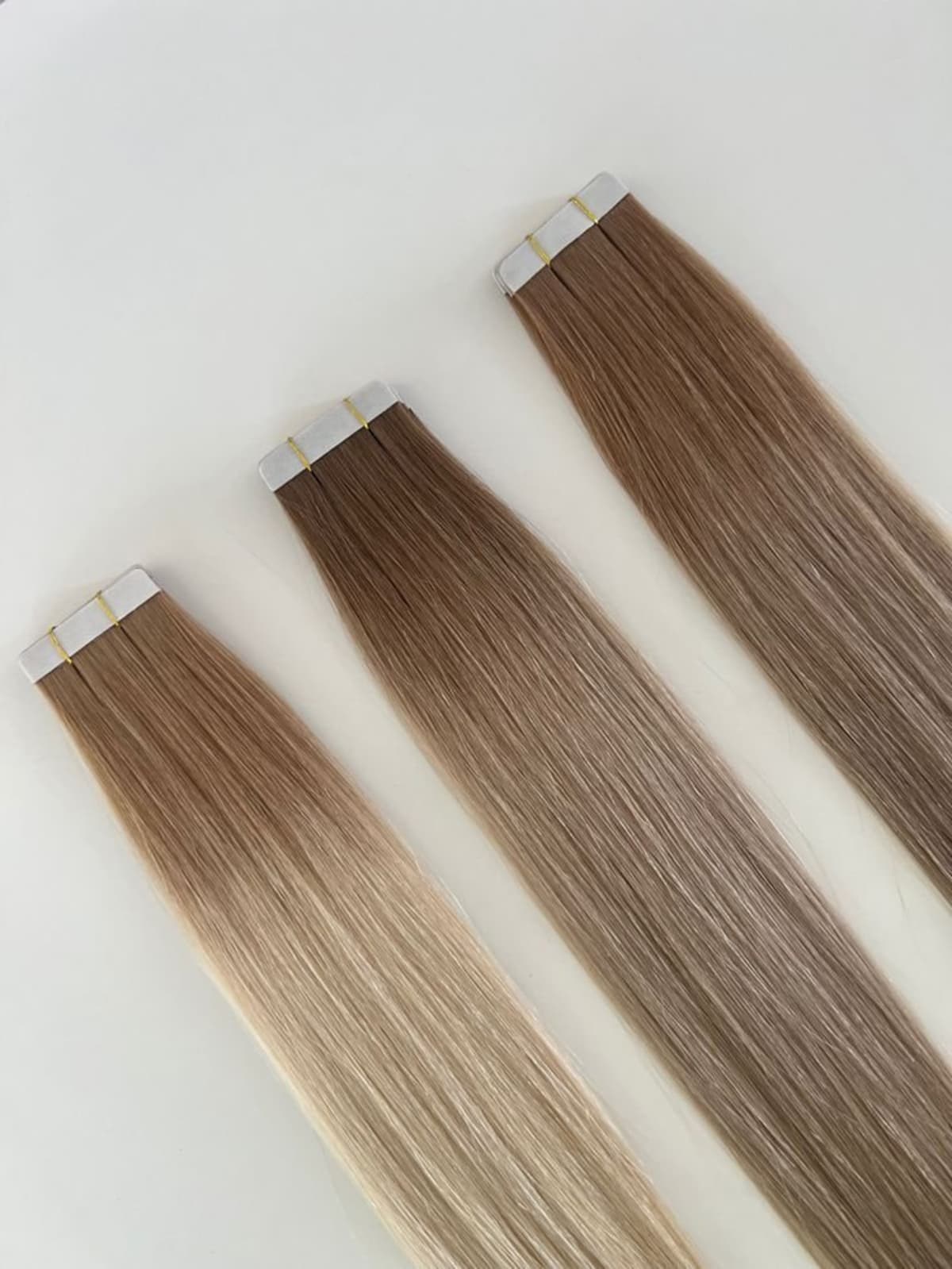
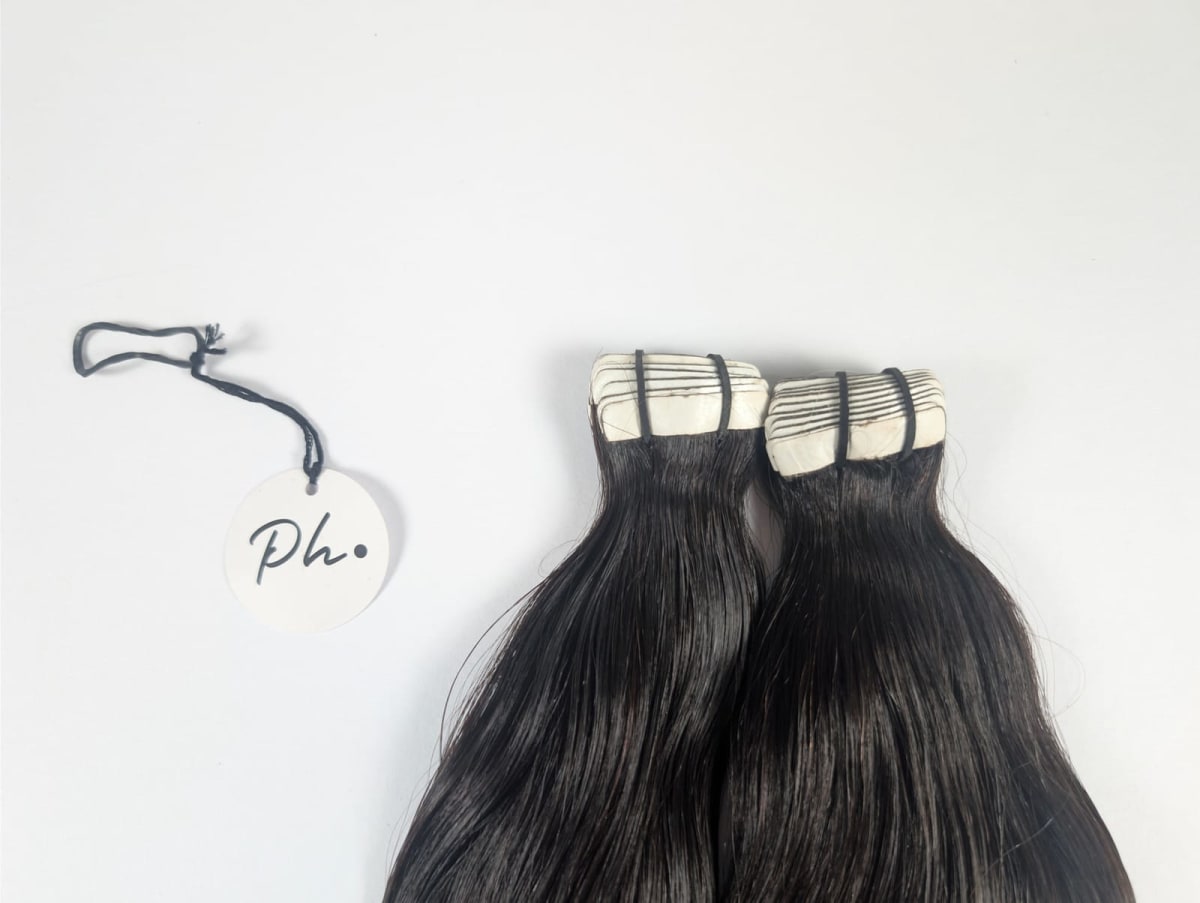
Flat tip extensions are keratin-bonded. Tape-in extensions use tape. Weft extensions are sewn in. Each attaches differently, so the right method depends on your hair.
Whichever method fits, you can check the current range and prices in our shop; prices vary by length and are shown at checkout.

What Limitations Should You Know Before Choosing a Method?
We want to be direct about the limits of what we can say:
- We cannot promise that any extension method, including ours, is damage-free or "gentle on hair" for your specific hair.
- We do not hold test results, clinical studies, or supplier certificates proving how our hair performs over time, so we won't claim them.
- We cannot state a fixed lifespan for a set, or how it will hold up. This depends heavily on your hair, the fitting, and your aftercare.
- Colour matching for our hair is done manually by our team from photos you send, not by an automatic system. We cannot promise a specific turnaround time.
If hair loss continues after a set is removed and does not slow down, seeing a doctor or dermatologist is a reasonable next step. Causes outside extensions are possible.
Where Should You Start?
Start by matching the method to how much natural hair you have and how much daily tension it can tolerate. Have a professional fit and remove the set. You can browse the current range once you pick a length, with prices shown at checkout. For general upkeep once a set is in, see our hair care guide. If you're comparing hair quality terms like double drawn versus single drawn, our hair grade page explains the visible differences.
See it in the shop.
Prominente Haare – Hair that lasts longer.
Frequently asked questions
Can hair extensions cause hair loss?
They can if fitted too tightly, placed too close to the scalp, or worn too long without moving up. Correctly fitted, well-maintained extensions are generally described as not causing hair loss.
Does wearing hair extensions cause hair loss, or is it just shedding?
Much of what looks like hair loss on removal day is normal shed hair that had been trapped in the bonds. Genuine loss points to tension, fit, or timing issues rather than the extensions themselves.
What increases the risk of damage from extensions?
Bonds placed too close to the scalp, installs that are too tight, too much weight per section, already fragile or over-bleached hair, and leaving a set in past the recommended wear time.
How can I lower the risk when wearing extensions?
Have them fitted and removed by an experienced stylist, choose a method and weight suited to your natural hair, stick to the recommended wear time, and have the set removed promptly if you notice pain, pulling, or unusually heavy hair loss.
Last updated: 29 October 2026