


Types of Hair Clips: How Do Clip-In Hair Extensions Compare to Other Methods?

In short: Clip-in hair extensions suit low-commitment wear across all hair types because you fit and remove them yourself. Flat tip and tape-in suit a continuous look without daily fitting, halo suits fine or thin hair that wants quick volume, and weft suits thicker hair wanting fuller coverage.
- Clip-in
- one 100g piece, no wire
- Fitted by
- you
- Removed
- every day, by you
- Clip-in (100g)
- A$371 (45 cm) to A$484 (60 cm)
Which method fits whom
Clip-in hair extensions are the best fit for anyone who wants instant length or volume without any ongoing commitment. They clip onto your own hair and come out again, leaving nothing bonded behind. If you want a weekend style change or a flexible daily option, you can shop clip-in extensions.
Flat tip, halo, weft and tape-in extensions suit different hair types, budgets and how much daily maintenance time you're happy to give.
The five methods at a glance
Here is how the five main methods stack up on the things that matter most: how they attach, how much they ask of your routine, and who they tend to suit.
| Method | How it attaches | Commitment level | Daily routine | Best for |
|---|---|---|---|---|
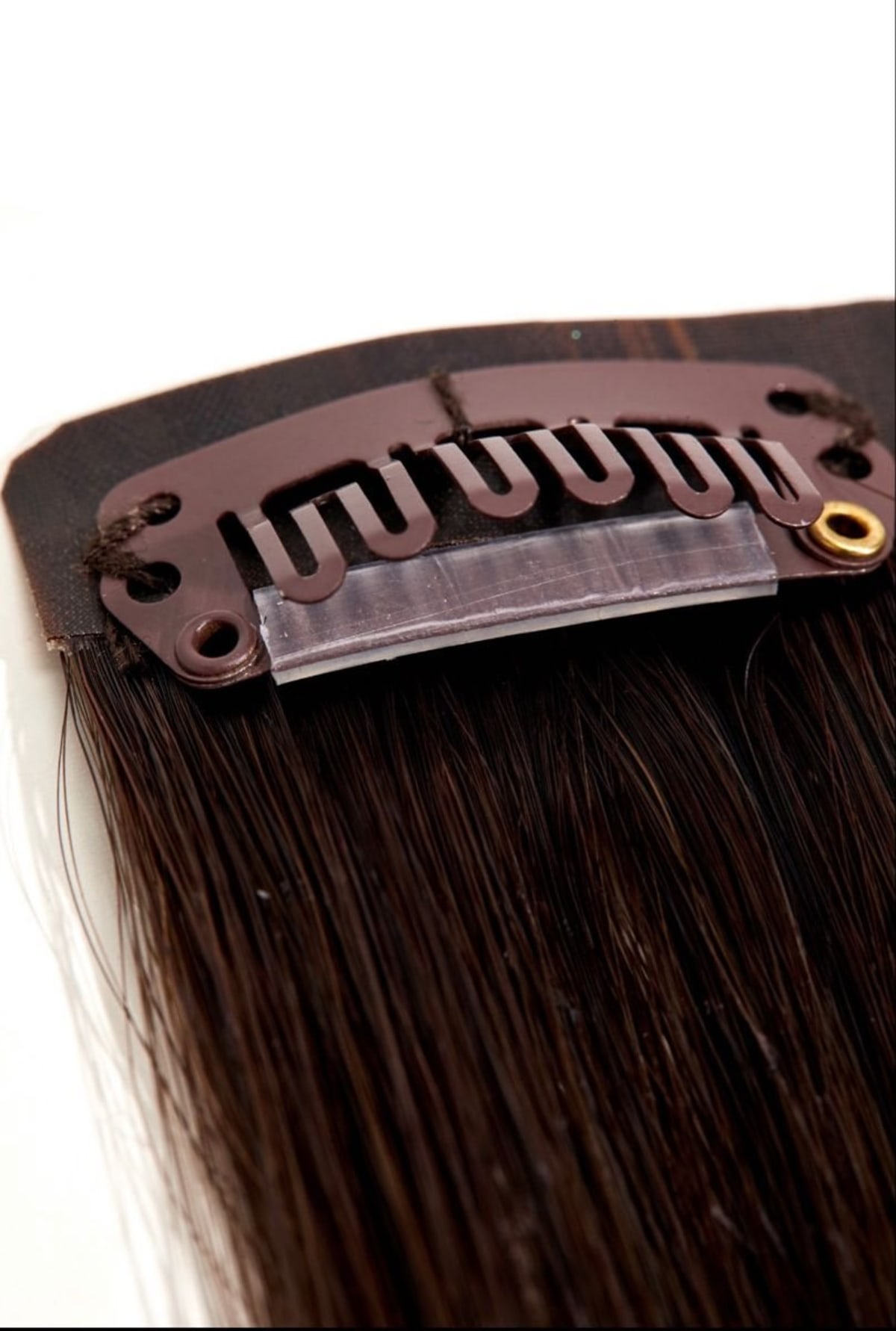
| Clip-in | Pressure clips on a single wefted piece, no wire | Temporary, in and out daily | Fit and remove each wear | Occasional wear |
| Flat tip | Keratin-bonded individual strands | Semi-permanent | Low once fitted | Continuous length |
| Halo | Adjustable wire plus clips, worn over the head | Temporary, daily | No bonding | Volume without a permanent fitting |
| Weft | Sewn or bonded rows across sectioned hair | Semi-permanent | Low once fitted | Fuller coverage |
| Tape-in | Adhesive tape sandwiching hair sections | Semi-permanent | Low once fitted | A flat bond |
Notice that only clip-in and halo are designed to come out every day. The other three are built to stay in for longer stretches, which changes how you plan washing, sleeping and exercise around them.
Which method suits which lifestyle
Each method answers a slightly different lifestyle question. Here's where each one tends to shine.
Clip-in extensions suit anyone who wants a zero-commitment way to add length or volume. They don't lock you into an ongoing maintenance schedule. You fit and remove them yourself each wear, so factor that into your routine if you'll wear them daily.
Flat tip extensions are keratin-bonded to individual strands. This suits people who want a continuous look without clipping anything in or out each day, at the cost of needing a stylist for fitting and removal.
Halo extensions use an adjustable wire plus clips worn over the head. This gives volume without a permanent fitting.
Weft extensions are sewn or bonded in rows across sectioned natural hair. This gives fuller, longer-lasting coverage.
Tape-in extensions use thin adhesive tape sandwiching sections of hair, giving a flat, semi-permanent result. For more on tape-ins and fine hair, see our guide to tape-in extensions for thin hair.
Choosing the right method for your hair and lifestyle
Work through these steps to narrow down your choice.
- Check your hair thickness and texture, and think about how much weight and tension each method puts on your natural hair.
- Decide how much daily time you can give. Clip-ins need a short fitting and removal routine each day; semi-permanent methods need less daily handling once they're in.
- Think about how often you'll actually wear extensions. Occasional or event-based wear points toward clip-in; regular wear over weeks points toward tape-in, weft or flat tip.
- Factor in colour matching. The Prominente Haare team matches your shade once you send in side photos; team members have 10 to 15 years of experience with hair.
- Plan your care routine around the method, using the dermatology guidance below.

A few general safety notes are worth keeping in mind regardless of method. Dermatologists recommend taking clip-in extensions out before washing your natural hair, rather than washing with them in (American Academy of Dermatology). Whichever method you choose, dermatologists suggest capping any extension style at two to three months before giving natural hair a break (American Academy of Dermatology). Hair extensions, weaves and hair clips are also listed among the causes of traction alopecia, a tension-related hair-loss condition (British Association of Dermatologists).
Prices in Australian dollars
Per 100g, a clip-in or halo runs from A$371 at 45 cm to A$484 at 60 cm. Weft and flat tip start at A$322 and reach A$452, while tape-in sits between A$339 and A$468. These are shown in Australian dollars at the shop's current exchange rate, so they can move slightly.
Where to start
If you want a flexible, no-commitment way to try longer or fuller hair, start with clip-ins. You can shop clip-in extensions today, send in side photos for a colour match, and have a set ready to fit before your next event.
If your lifestyle points you toward a longer-wear method instead, the comparison table above is a good reference to revisit before you decide.
Prominente Haare – Hair that lasts longer. Shade suggestions are made by team members who have worked with hair for 10 to 15 years. Find out more about Prominente Haare.
Frequently asked questions
What is the difference between clip-in and halo extensions?
Both are fitted and removed by you. A clip-in is one 100g wefted piece with no wire, held by clips; a halo uses an adjustable wire plus clips worn over the head.
How does Prominente Haare match the colour of clip-in extensions?
You send in side photos and team members with 10 to 15 years of experience with hair suggest the closest shade.
Can extensions or hair clips cause hair loss?
They can if they pull on the hair. The British Association of Dermatologists lists hair extensions, weaves and hair clips among the causes of traction alopecia, a tension-related hair-loss condition.
How much do clip-in extensions cost in Australia?
A 100g clip-in is A$371 at 45 cm, A$420 at 50 cm and A$484 at 60 cm, shown at the shop's current exchange rate.
Last updated: 2 October 2026